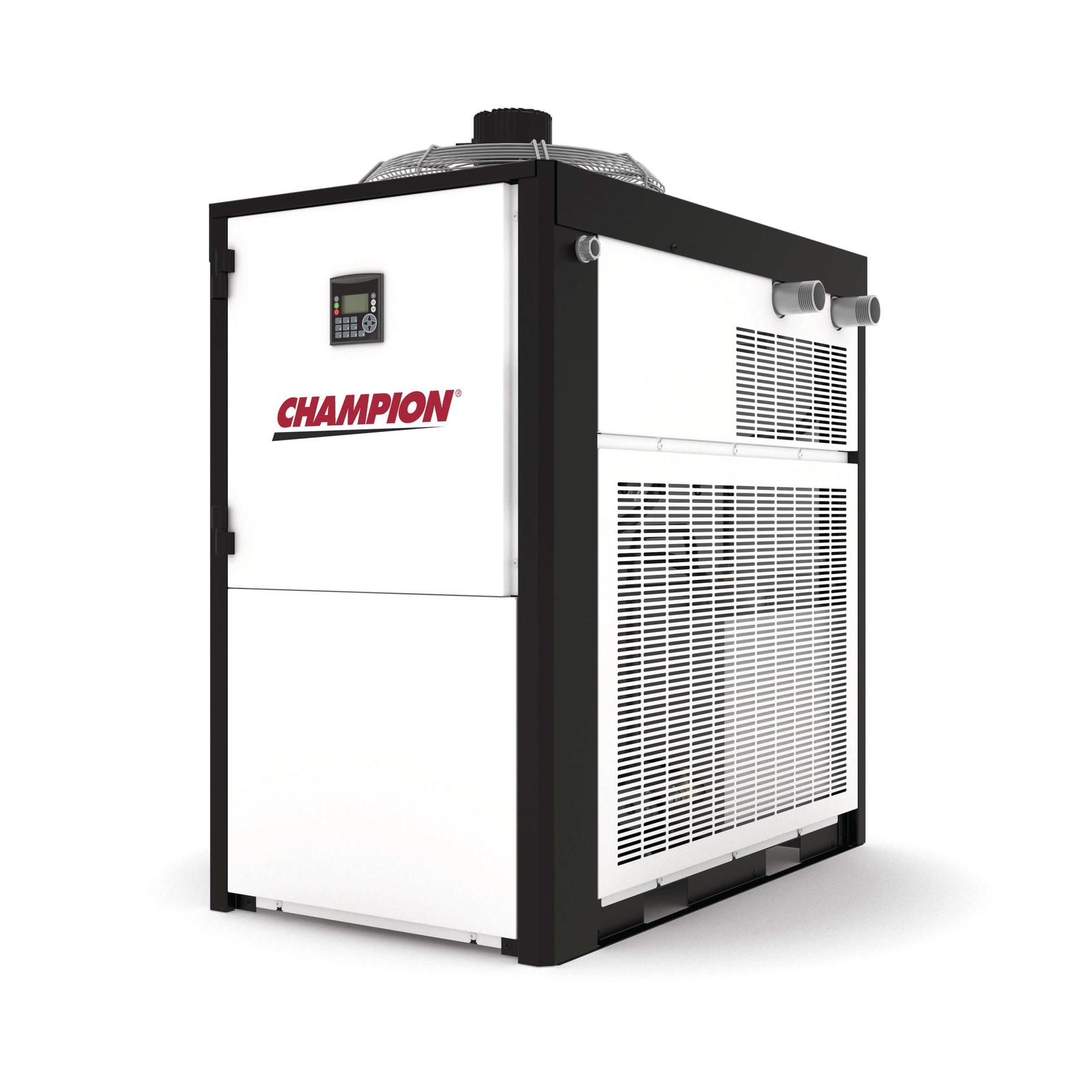
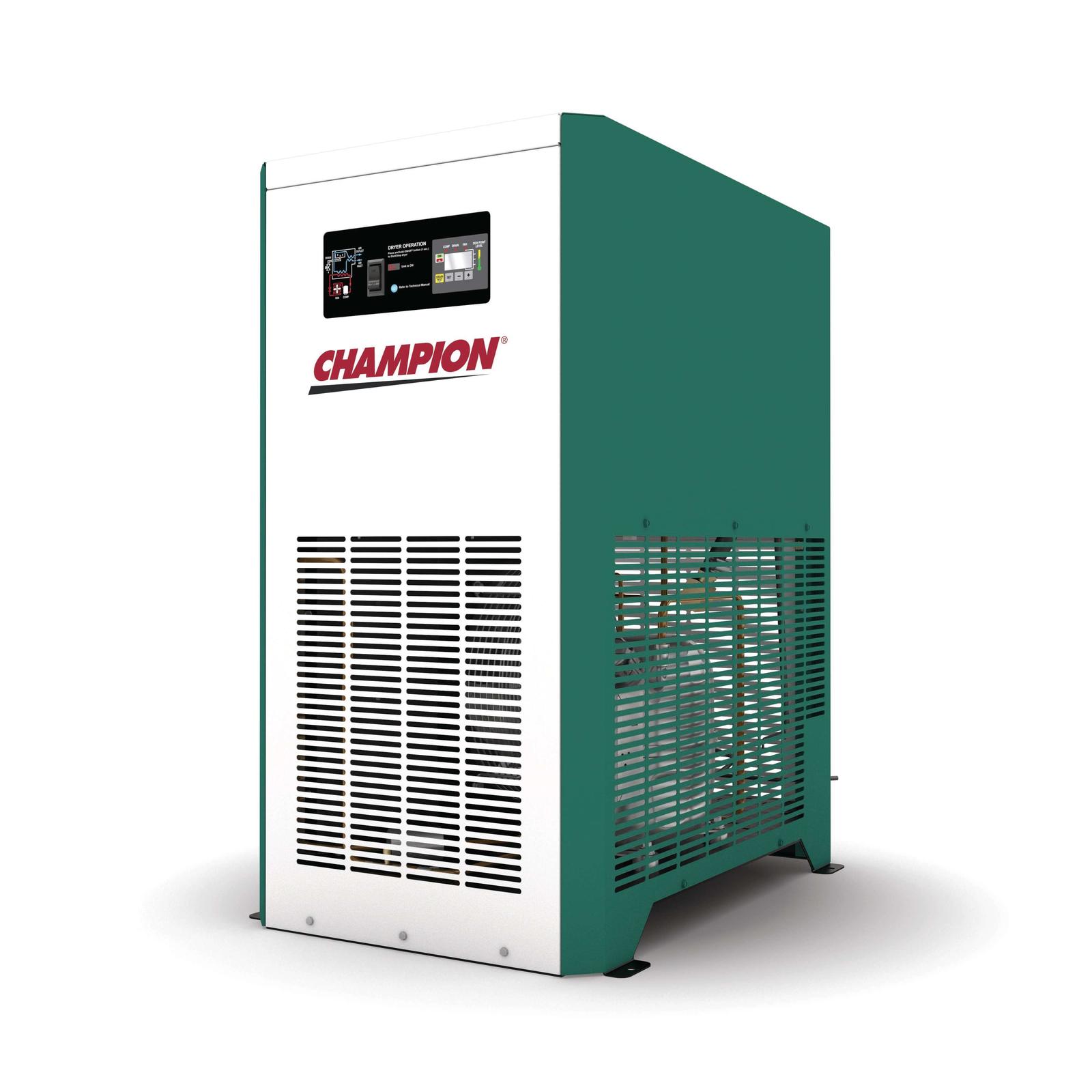
Refrigerated Air Dryer Solutions from Champion

Protect Your Compressed Air System with Clean, Dry Air

Moisture is a natural byproduct of compressing air, but it can become a costly problem when it travels downstream. Water in a compressed air system can contribute to corrosion, interfere with pneumatic equipment, compromise finishes, and increase unplanned maintenance. A properly selected refrigerated air dryer removes this moisture before it reaches critical tools, equipment, and production processes.

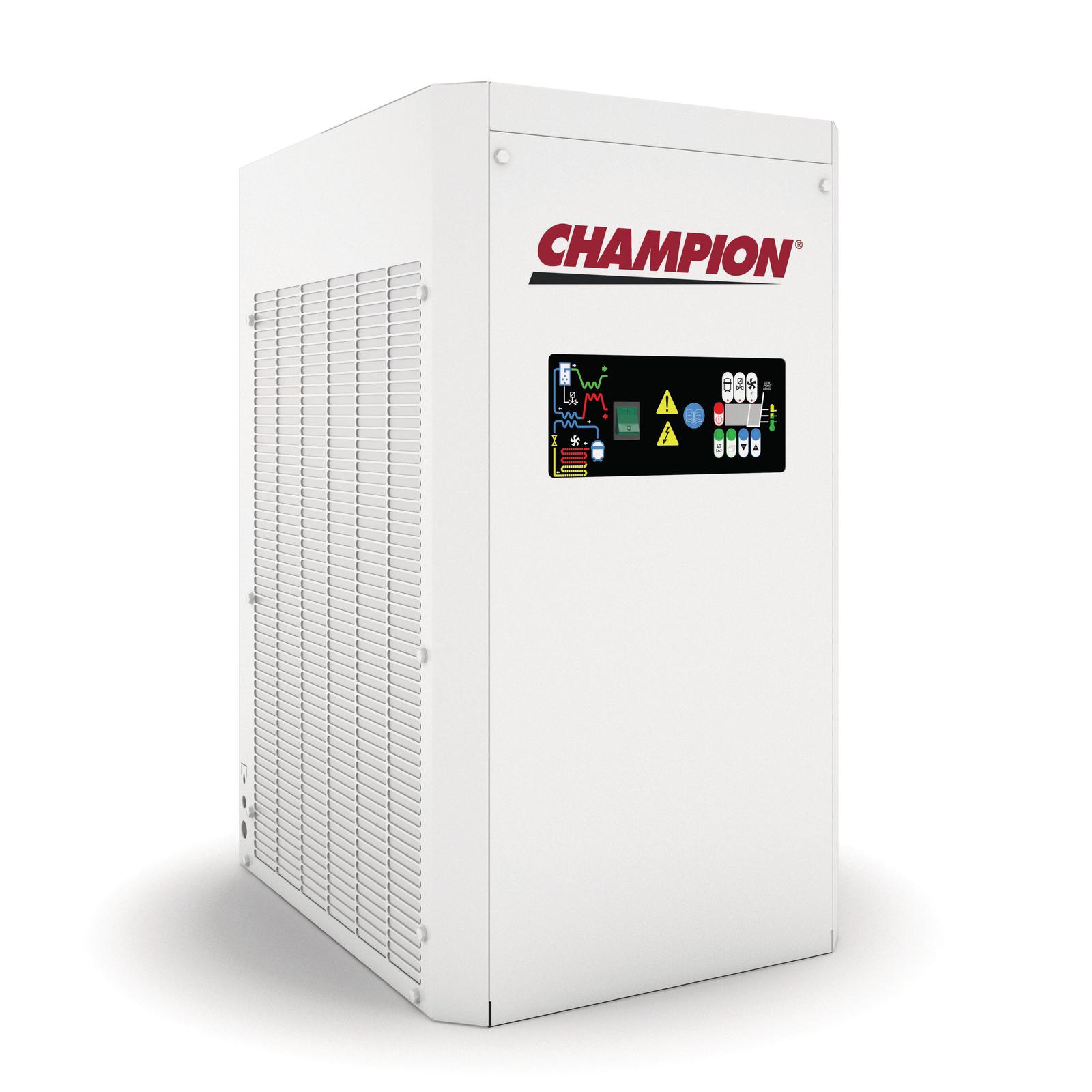
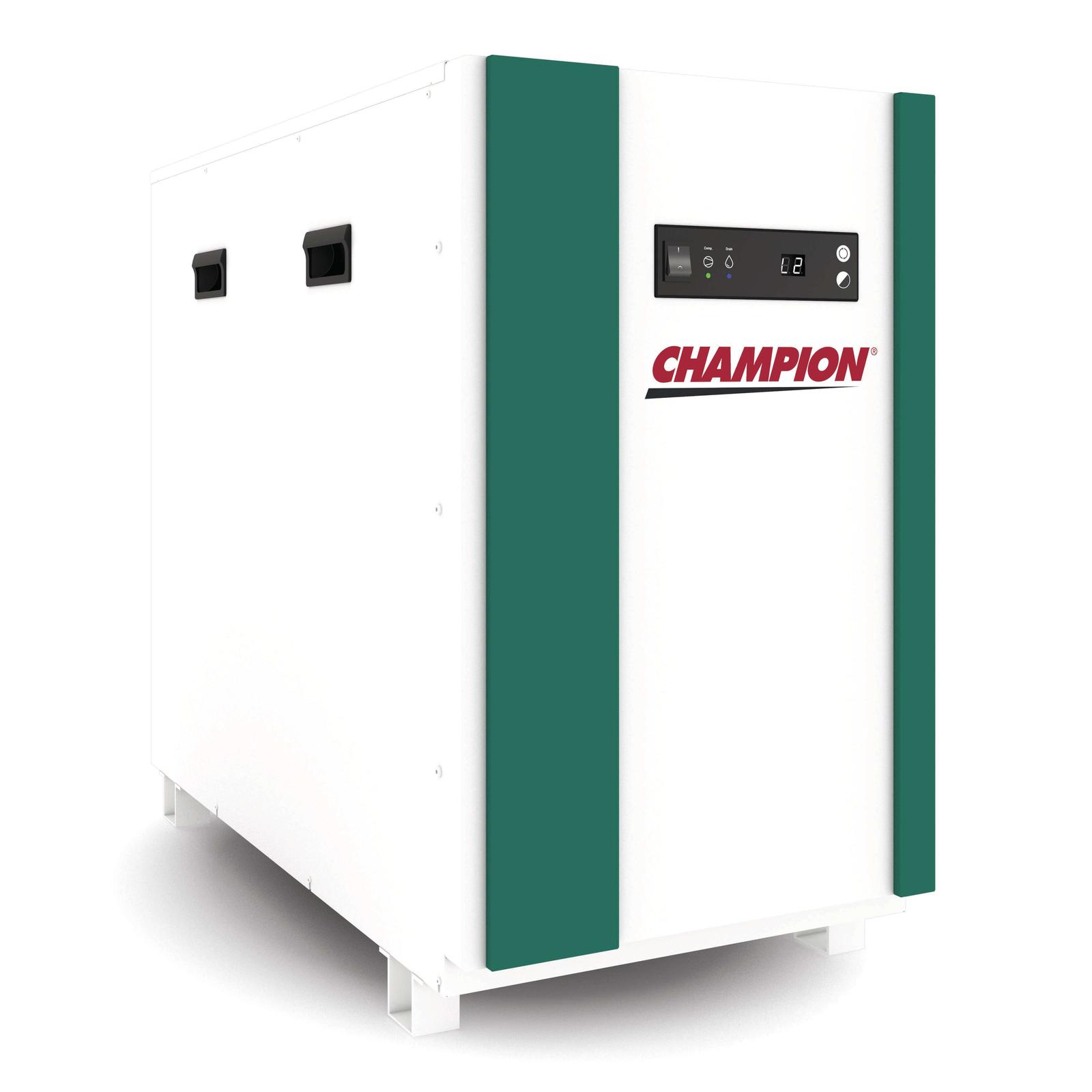
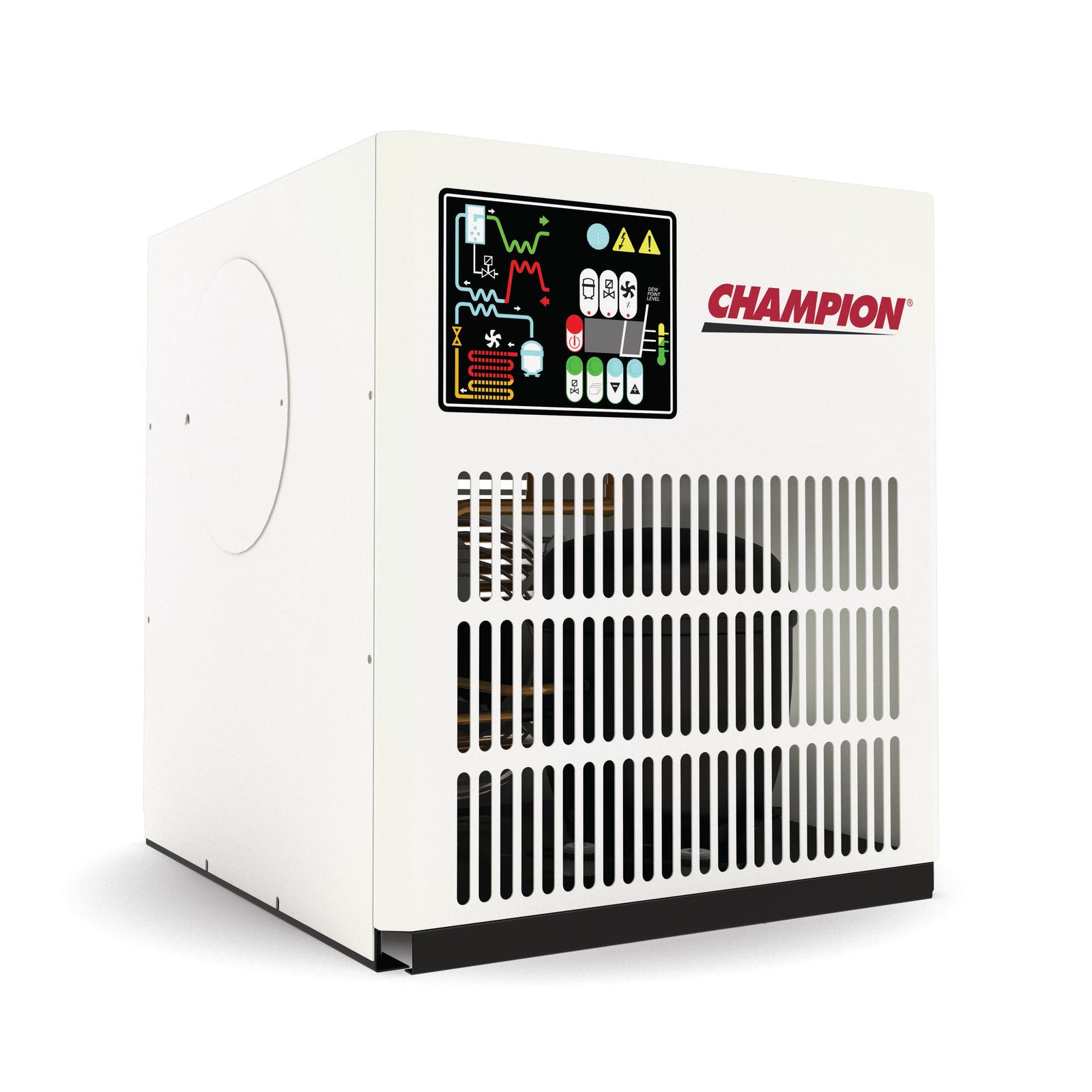
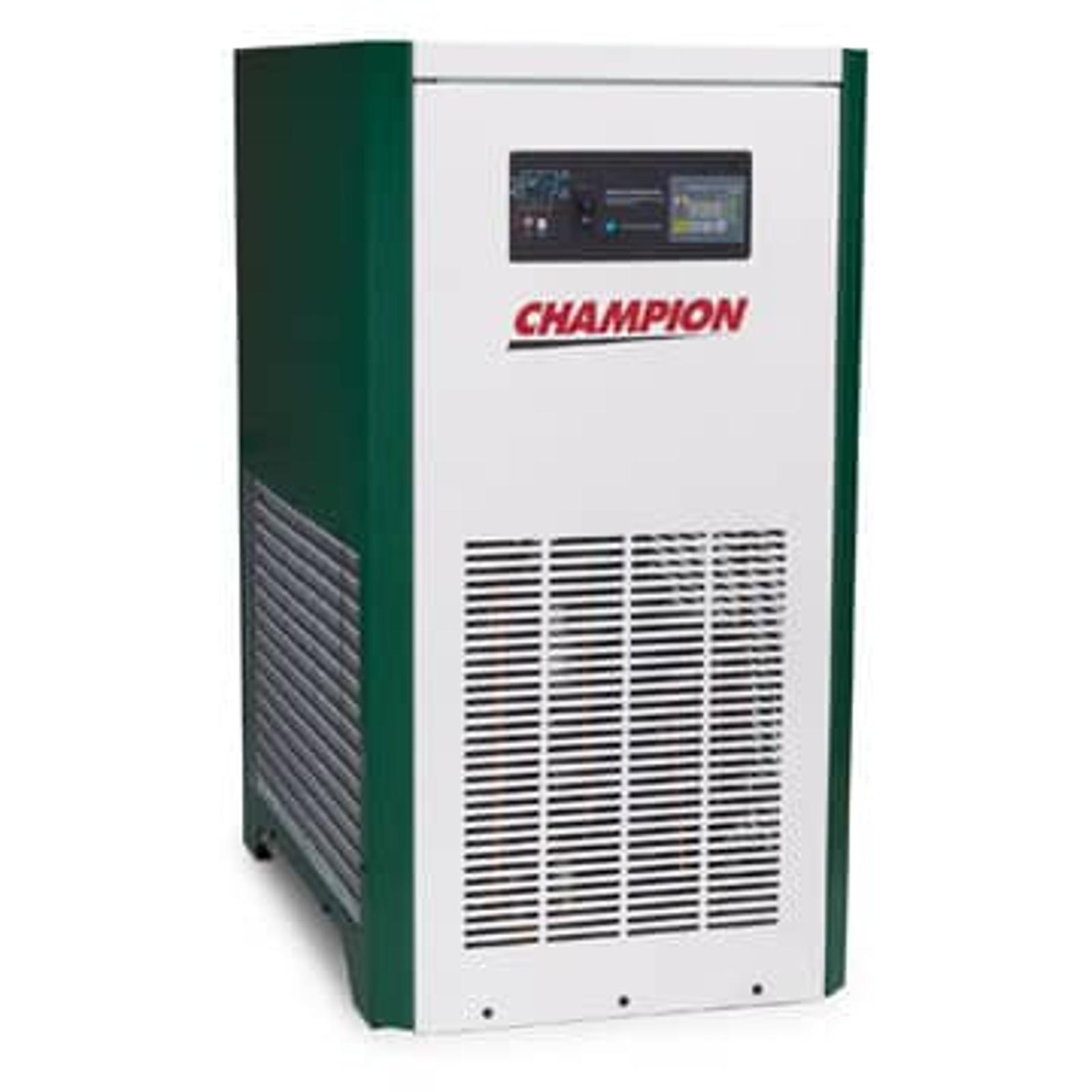
Champion Pneumatic offers reliable, easy-to-maintain refrigerated air dryer solutions for automotive facilities, service shops, manufacturing operations, and general industrial applications. With non-cycling, cycling, and high-inlet-temperature configurations available, Champion helps businesses match dryer technology to their airflow requirements, operating conditions, and energy goals.

What Is a Refrigerated Air Dryer?

A refrigerated air dryer is a type of compressed air dryer that cools warm, moisture-laden compressed air. As the air temperature drops, water vapor condenses into liquid. The condensed moisture is then separated from the airflow and discharged through a drain before the dry compressed air continues downstream. 

This process provides dependable moisture control for applications that do not require the extremely low dew points associated with desiccant drying technology. Refrigerated compressed air dryers are commonly selected because they combine practical air quality, straightforward operation, and cost-effective performance. 

By controlling moisture, a Champion refrigerated dryer can help: 

  • Protect pneumatic tools and downstream equipment
  • Reduce internal corrosion in compressed air piping
  • Support consistent production and process performance
  • Minimize moisture-related maintenance
  • Improve the quality of compressed air used for painting and finishing
  • Extend the service life of air system components

Why Does Compressed Air Need to Be Dried?

Compressed air can hold water vapor, oil aerosols, and solid particles. As compressed air cools in piping, receivers, or downstream equipment, water vapor can condense into liquid. Without adequate air treatment, this moisture may reach pneumatic tools, controls, paint equipment, and production processes. 

The resulting problems can include rusted components, inconsistent tool operation, damaged finished products, blocked air lines, and avoidable downtime. In paint and refinishing applications, for example, moisture and oil in the air supply can contribute to rejected finishes and additional labor or material costs. Champion’s CRH Series materials specifically identify automotive service centers, auto body shops, and light industrial facilities as relevant applications for high-inlet-temperature drying.  

A refrigerated air dryer helps address these risks close to the source. When paired with properly selected filtration and condensate management equipment, it becomes an important part of a complete compressed air treatment system.

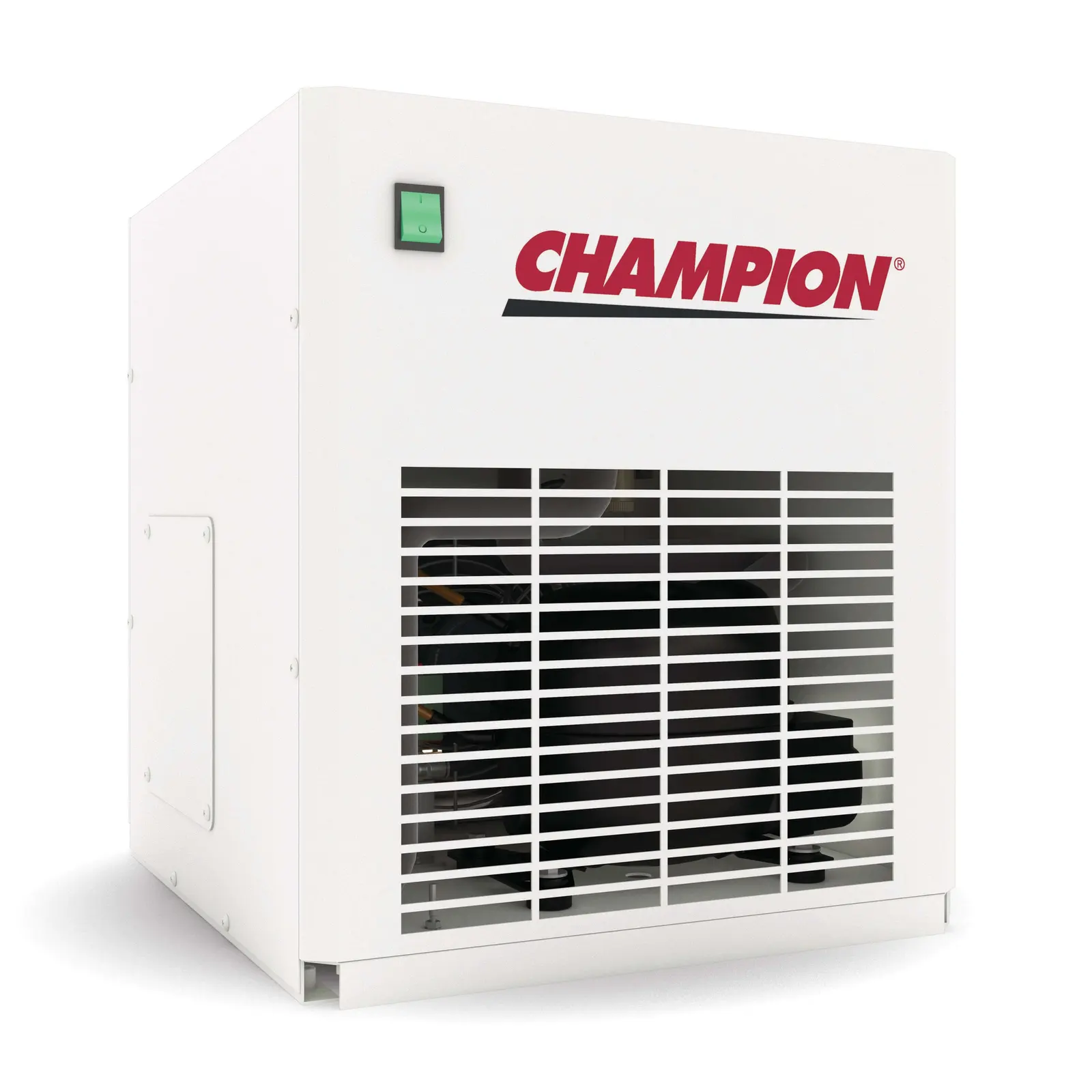
Champion Refrigerated Air Dryer Technologies

Champion offers multiple types of refrigerated air dryers so customers can select a solution that fits their air demand, compressor configuration, and facility needs.  

Non-Cycling Refrigerated Air Dryers 

A non-cycling refrigerated air dryer operates continuously while it is turned on. This straightforward design makes non-cycling technology a dependable choice for facilities with steady compressed air demand or applications where simple operation is a priority. 

Champion’s non-cycling portfolio includes CNV, CGDA, XCNC, and XCNCA Series dryers. Depending on the product series and model, Champion non-cycling dryers may offer low-pressure-drop designs, durable heat exchanger construction, automatic condensate drainage, user-friendly controls, and optional or included filtration.  

Cycling Refrigerated Air Dryers 

A cycling refrigerated air dryer is designed to adjust refrigeration operation based on compressed air demand. This can reduce energy consumption during periods of partial load or no load, making cycling technology well suited for facilities where airflow fluctuates throughout the day or across production shifts. 

Champion’s CRPCA and XCCYA Series provide cycling refrigerated dryer options. The CRPCA Series is designed for larger compressed air systems and uses energy-saving cycling technology to reduce power consumption during lower demand periods. The XCCYA Series offers the same cycling dryer technology in a more compact package for smaller compressed air applications. Both provide reliable moisture removal and efficient operation, but they serve different airflow capacity ranges. 

High Inlet Temperature Refrigerated Air Dryers 

High-inlet-temperature dryers are engineered for compressed air systems where the air entering the dryer is hotter than a standard refrigerated dryer is designed to accept. 

Champion’s CRH Series is designed for use with reciprocating compressors and can accept inlet temperatures up to 200°F under the conditions stated in its product literature. This configuration can allow compressed air to travel directly from the compressor to the dryer without requiring a separate after cooler and separator installation. The CRH Series is available in models from 15 to 100 SCFM and is particularly suited for auto body shops, automotive service centers, and light industrial facilities using reciprocating compressors from 5 to 25 horsepower.

How to Select the Right Refrigerated Air Dryer

The best refrigerated air dryer is not necessarily the model with the highest capacity. Dryer selection should account for how the compressed air system operates under actual facility conditions.

Important factors include:

  • Airflow capacity: Determine the compressor’s delivered airflow in SCFM, not only its motor horsepower.
  • Inlet air temperature: Higher temperatures increase the moisture load placed on the dryer.
  • Operating pressure: Dryer performance and rated flow can change with system pressure.
  • Ambient temperature: A hot compressor room may require additional sizing considerations.
  • Demand profile: Steady demand may favor non-cycling technology, while variable demand may create a stronger case for a cycling dryer.
  • Available space: Consider the dryer footprint, service access, ventilation, and connection locations.
  • Filtration requirements: Pre-filtration and after-filtration may be needed based on the application and desired air quality.
  • Future growth: Planned equipment additions or increased production should be considered during sizing.

Published dryer capacities are based on defined rating conditions. Actual operating conditions can affect performance, so correction factors and manufacturer specifications should be reviewed before selecting a model.

Reach out to our team of experts with questions on finding the right fit for your application.

Benefits of Champion Refrigerated Air Dryers

Champion refrigerated compressed air dryers are designed to make moisture control practical for businesses that need dependable performance without unnecessary system complexity.

Depending on the selected series, customers can benefit from:

  • Models for steady or fluctuating air demand
  • Broad airflow capacity coverage
  • R513A refrigerant on applicable models to lower your environmental impact
  • Low-pressure-drop designs that support system efficiency
  • Heat exchanger technology for effective moisture separation
  • Automatic condensate drainage
  • Compact configurations for flexible installation
  • Controls designed to simplify system monitoring
  • UL and CSA certification on specified products

Find a Champion Refrigerated Air Dryer for Your Application

Whether you need a compact compressed air dryer for a repair shop, an energy-conscious cycling dryer for variable production demand, or a high-inlet-temperature dryer for a reciprocating compressor, Champion offers multiple technologies to support your operation.

Explore the available Champion refrigerated air dryer series, compare performance specifications, or contact a Champion compressed air professional for help evaluating airflow, temperature, pressure, filtration, and installation requirements.

FAQ

A refrigerated air dryer cools compressed air so water vapor condenses into liquid. The moisture is separated and drained before the compressed air travels to downstream tools, piping, and processes.